Minimalist Wardrobe Essentials
Reject the relentless cycle of fast fashion. Build a highly functional, reliable, and cost-effective capsule wardrobe focused on utility and longevity.
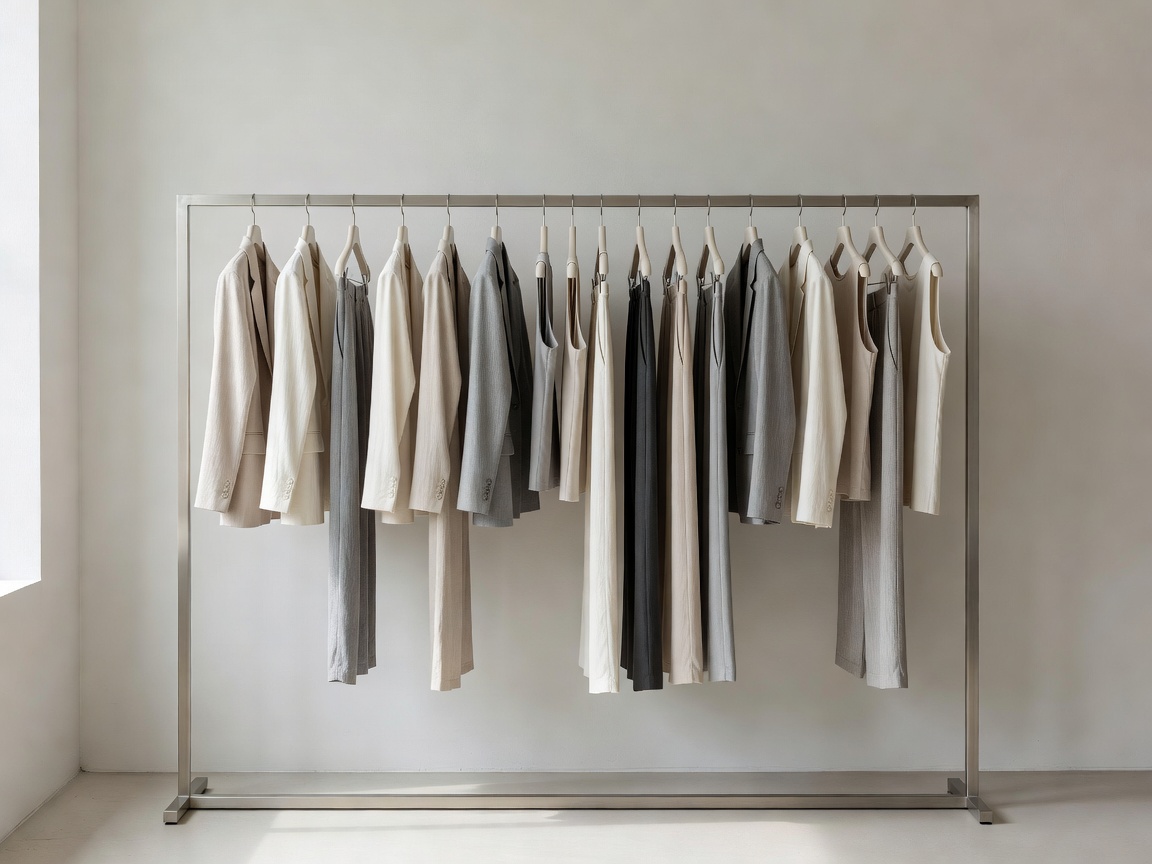
The Fast Fashion Trap
The contemporary apparel industry is engineered around planned obsolescence. Trends are generated at a rapid pace to convince consumers that their current clothing is socially inadequate. This results in the mass production of low-quality garments designed to withstand only a handful of wash cycles before losing shape, pilling, or tearing. From a frugal perspective, participating in this cycle is highly inefficient. Continuously purchasing cheap, disposable clothing represents a significant ongoing drain on personal finances.
A minimalist wardrobe—often referred to as a capsule wardrobe—flips this paradigm. The objective is not to own as little as possible out of asceticism, but to own exactly what you need to function effectively in your daily life, and no more. This drastically reduces the cost per wear of your garments and eliminates the cognitive load of deciding what to put on each morning.
Defining the Capsule Framework
To transition to a minimalist wardrobe, you must establish strict parameters for what enters your closet. A functional capsule generally consists of 30 to 40 highly versatile items (excluding activewear and undergarments). The exact number is less important than the strict adherence to the rules of acquisition and retention.
- Cohesive Colour Palette: Choose a base of neutrals (black, navy, grey, or beige) and allow for only one or two accent colours. This ensures that almost every top can be worn with almost every bottom, multiplying the number of potential outfits without increasing the number of garments.
- Material Quality: Prioritise natural fibres such as cotton, wool, and linen over synthetic blends. Natural fibres generally breathe better, age more gracefully, and are easier to repair.
- The "One In, One Out" Rule: Once your capsule is established, enforce a strict policy where purchasing a new item requires the donation or recycling of an existing item. This prevents gradual wardrobe bloat.
Essential Components
While individual needs vary based on climate and profession, a generic framework for a functional capsule wardrobe includes:
Outerwear: One highly functional, weather-resistant outer shell and one formal or semi-formal coat. These should be the highest quality items in your wardrobe, as they endure the most exposure.
Tops: A combination of versatile base layers (plain t-shirts or long-sleeve shirts) and a small selection of mid-layers (sweaters or cardigans). Avoid large graphic prints or logos, as these are highly memorable and reduce the perceived versatility of the garment.
Bottoms: Two pairs of durable trousers or denim, tailored to fit perfectly. Fit is paramount; well-tailored affordable trousers will always present better than ill-fitting expensive ones.
Maintenance and Longevity
The financial viability of a minimalist wardrobe relies entirely on your willingness to maintain your garments. Proper care extends the life of clothing by years.
Wash clothing less frequently. Spot clean where possible and air out garments between wears. When washing is necessary, use cold water and avoid the tumble dryer, as heat breaks down fabric fibres and elastic rapidly. Learn basic mending skills—sewing a button or patching a small tear requires minimal equipment but yields massive savings by preventing the premature discarding of a perfectly functional garment.
By treating clothing as a tool rather than disposable entertainment, you reclaim a significant portion of your discretionary income while drastically reducing your environmental footprint.