Meal Planning on a Budget
A systematic approach to dramatically reducing grocery expenses and food waste without compromising on nutritional density or taste.
The Core Economics of Meal Planning
For most households, food represents one of the top three largest expenditure categories, sitting closely behind housing and transportation. Unlike fixed rent or mortgage payments, however, grocery spending is highly variable and susceptible to impulse purchasing. Meal planning introduces strict parameters to this variable expense. By deciding precisely what you will consume in advance, you isolate your purchasing decisions from hunger, fatigue, and retail marketing tactics.
The financial mechanics are straightforward: bulk buying reduces unit costs, precise lists eliminate extraneous purchases, and designated usage prevents spoilage. When food waste is minimised, the effective yield of your grocery budget increases. An unstructured approach to daily meals generally results in a reliance on convenience foods or takeaway services, both of which carry massive markups compared to raw ingredients.
Step 1: The Inventory Audit
Effective meal planning does not begin at the supermarket; it begins in your own kitchen. Before constructing any plan, conduct a rigorous audit of your pantry, refrigerator, and freezer. Identify ingredients that are nearing their expiration dates or items that have been sitting unused for long periods.
Your primary goal for the week's meal plan should be to design recipes around these existing items. If you possess half a bag of lentils, canned tomatoes, and a surplus of root vegetables, your plan should naturally pivot towards a stew or curry. This strategy—often referred to as 'reverse meal planning'—forces you to fully exhaust the capital you have already spent before deploying new capital at the grocery store.
Step 2: Constructing the Menu
When selecting recipes, prioritize those that share foundational ingredients. Buying a bunch of fresh herbs for a single garnish is financially inefficient. Instead, select three recipes for the week that all utilise those herbs. Cross-utilisation is the cornerstone of frugal cooking.
- Base Carbohydrates: Rice, oats, potatoes, and pasta are highly cost-effective and provide bulk. Purchase these in the largest quantities you can responsibly store.
- Protein Rotation: Meat is typically the most expensive component of any meal. Introduce vegetarian protein sources such as beans, lentils, and chickpeas for at least three meals per week to drastically reduce costs.
- Seasonal Produce: Only plan recipes using vegetables and fruits that are currently in season. Out-of-season produce must be transported further and stored longer, costs that are aggressively passed on to the consumer.
Step 3: Execution and Batch Cooking
Once the menu is established and the ingredients are procured, execution determines whether the plan succeeds or fails. Fatigue after a long working day is the primary enemy of the meal plan. Batch cooking mitigates this risk. Dedicate a specific window of time—often on a weekend—to prepare bulk components.
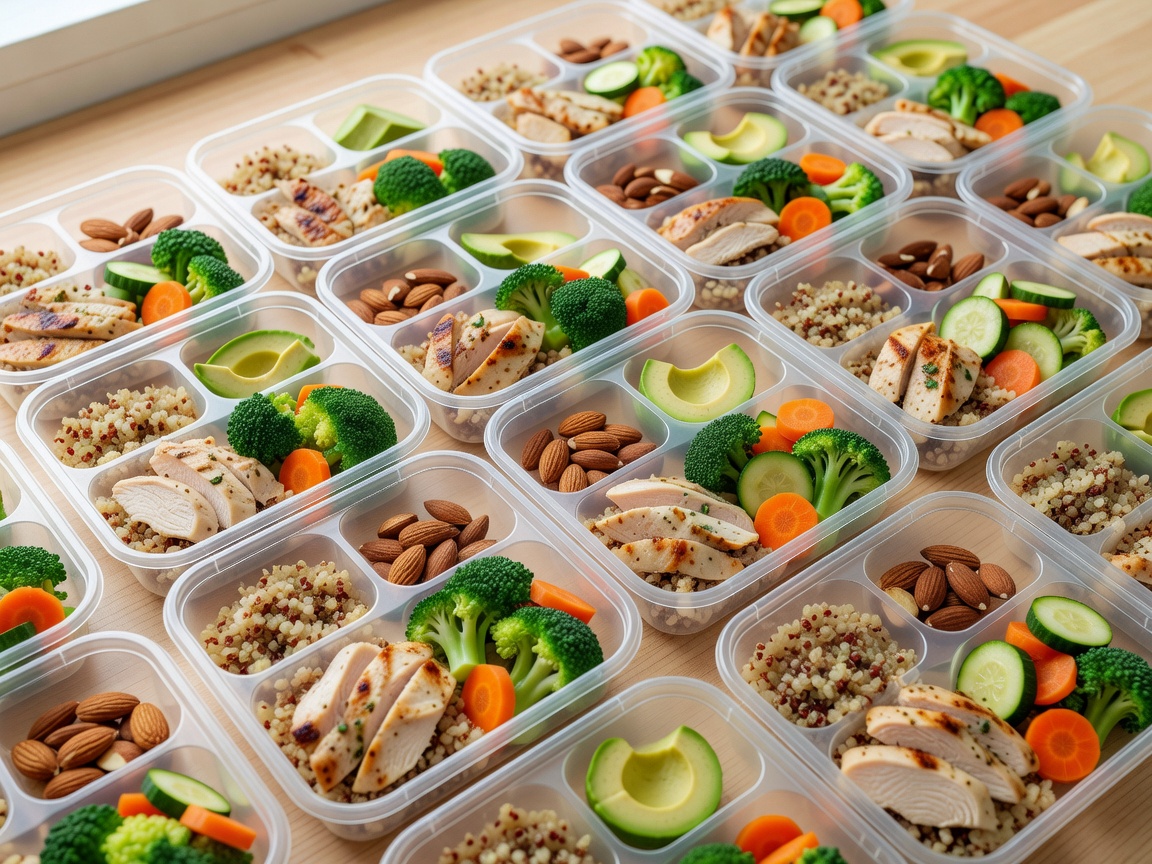
Roasting large trays of vegetables, cooking large pots of grains, and preparing base sauces in advance means that weeknight cooking becomes a simple assembly task rather than a full production. Furthermore, immediately portioning leftovers into dedicated containers ensures that lunches are secured for the following days, preventing the mid-day expenditure on commercial sandwiches or cafe meals.
Evaluating the Trade-offs
It is important to acknowledge that meal planning requires a front-loaded investment of time and cognitive energy. The initial phases of habituating this process can feel restrictive. However, the reduction in daily decision fatigue—never having to ask "what is for dinner?" at 6 PM—coupled with the undeniable financial retention, makes it one of the highest-yield habits in the frugal living toolkit. Stick to the discipline for thirty days to properly measure the financial impact on your bank statements.