Low-Cost Home Workouts
Physical health does not require a premium subscription. Explore strategies to achieve peak fitness through fundamental mechanics and free resources.
The Commercial Gym Illusion
The modern fitness industry is largely predicated on the idea that health must be purchased. High-end gym memberships, boutique studio classes, and specialized machinery have been marketed as mandatory prerequisites for physical wellness. In reality, the human body adapts to tension and resistance, regardless of whether that resistance comes from a multi-thousand-dollar cable machine or gravity acting upon your own body weight.
Canceling an unused or underutilized gym membership is one of the fastest ways to recover discretionary income. Replacing it with a disciplined home or outdoor routine ensures your physical health is maintained or improved without the associated financial burden.
The Fundamentals of Bodyweight Training
Calisthenics, or bodyweight training, utilizes the weight of your own body to build strength, flexibility, and endurance. It requires virtually no equipment and can be scaled to any fitness level. A foundational routine focuses on fundamental human movements:
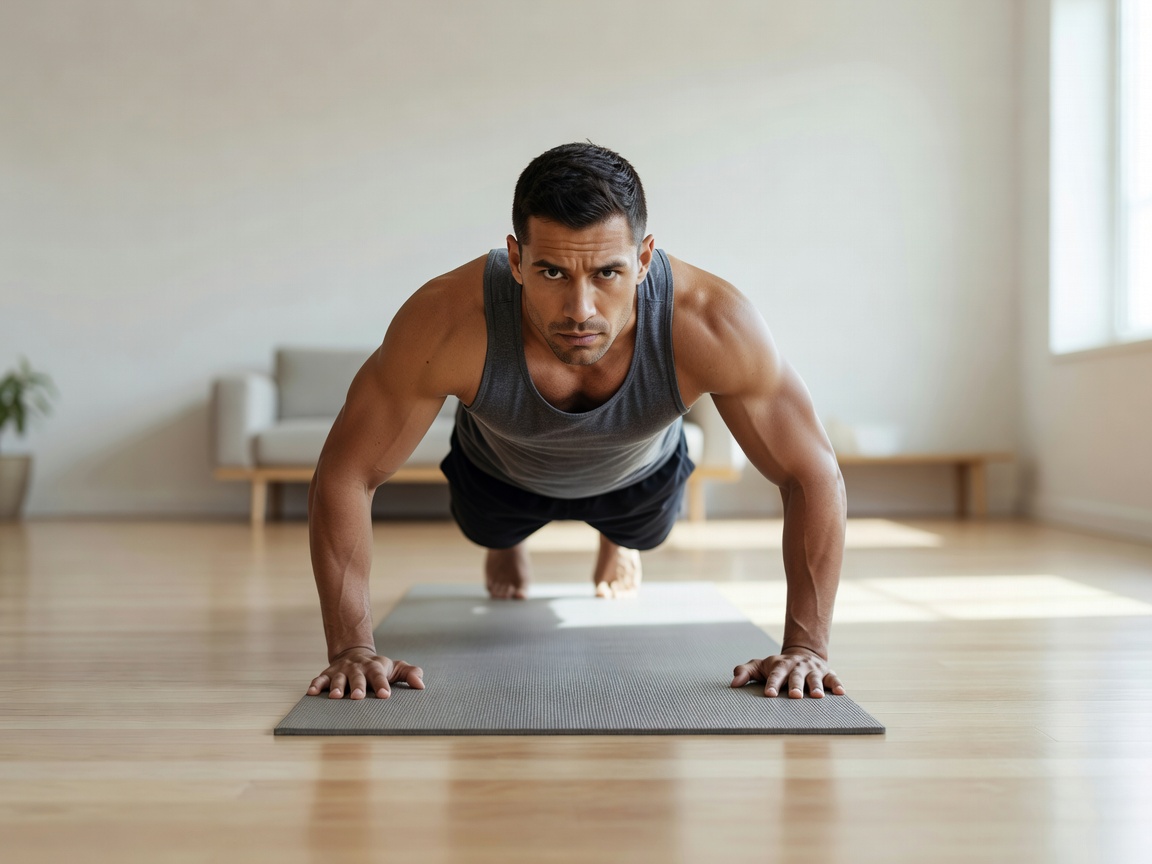
- Pushing Mechanics: Push-ups and their variations (incline, decline, narrow) build strength in the chest, shoulders, and triceps. For those unable to perform a standard push-up, elevating the hands on a sturdy table or counter is a perfect scaling option.
- Pulling Mechanics: The most challenging movement to replicate at home. If possible, a basic doorway pull-up bar is the one piece of equipment worth purchasing. Alternatively, pulling yourself up from underneath a sturdy table (inverted rows) works similar muscle groups.
- Lower Body: Squats and lunges require no equipment and effectively target the quadriceps, hamstrings, and glutes. Progressing to single-leg variations (like pistol squats) introduces immense difficulty without requiring external weights.
- Core Stability: Planks, hollow body holds, and leg raises develop the structural integrity of the midsection, which translates into better posture and reduced injury risk in daily life.
Strategic Equipment Investments
While bodyweight exercises are sufficient, carefully selected equipment can introduce helpful variety and progressive overload. Instead of purchasing bulky treadmills or complete dumbbell sets, look for highly versatile, easily stored tools on the second-hand market.
Resistance bands are perhaps the most cost-effective fitness tool available. They are inexpensive, take up no space, and can replicate almost any cable machine exercise. A single kettlebell or a pair of adjustable dumbbells also offer excellent utility, allowing for dynamic movements and weighted squats or presses.
Leveraging Free Resources
The internet has democratized fitness instruction. There is no longer a need to pay for programming unless you are competing in a specialized sport. Video sharing platforms host thousands of hours of high-quality follow-along workouts, ranging from high-intensity interval training (HIIT) to restorative yoga.
To succeed at home, treat your workouts with the same scheduling respect you would a paid class. Define your workout space, set a strict time, remove distractions, and track your progress meticulously. A simple notebook logging your repetitions and sets provides the data necessary to ensure you are continually challenging your body—the true requirement for growth and health.